Data from a first-of-its-kind analysis shows the Metropolitan Mayors Caucus region recycled an incredible 452 pounds per single-family household, while the nearly 500,000 tons of recyclables collected from Chicagolanders would fill Soldier Field more than five times
CHICAGO, Ill. (April 20, 2026)– Leaders with the Metropolitan Mayors Caucus (MMC), a partnership that includes 275 local governments in a six-county region of Metro Chicago, today announced results from a new, first-of-its-kind analysis of recycling activities that show single-family households in Chicagoland, on average, are impressively recycling 452 pounds of materials over a 12-month span.
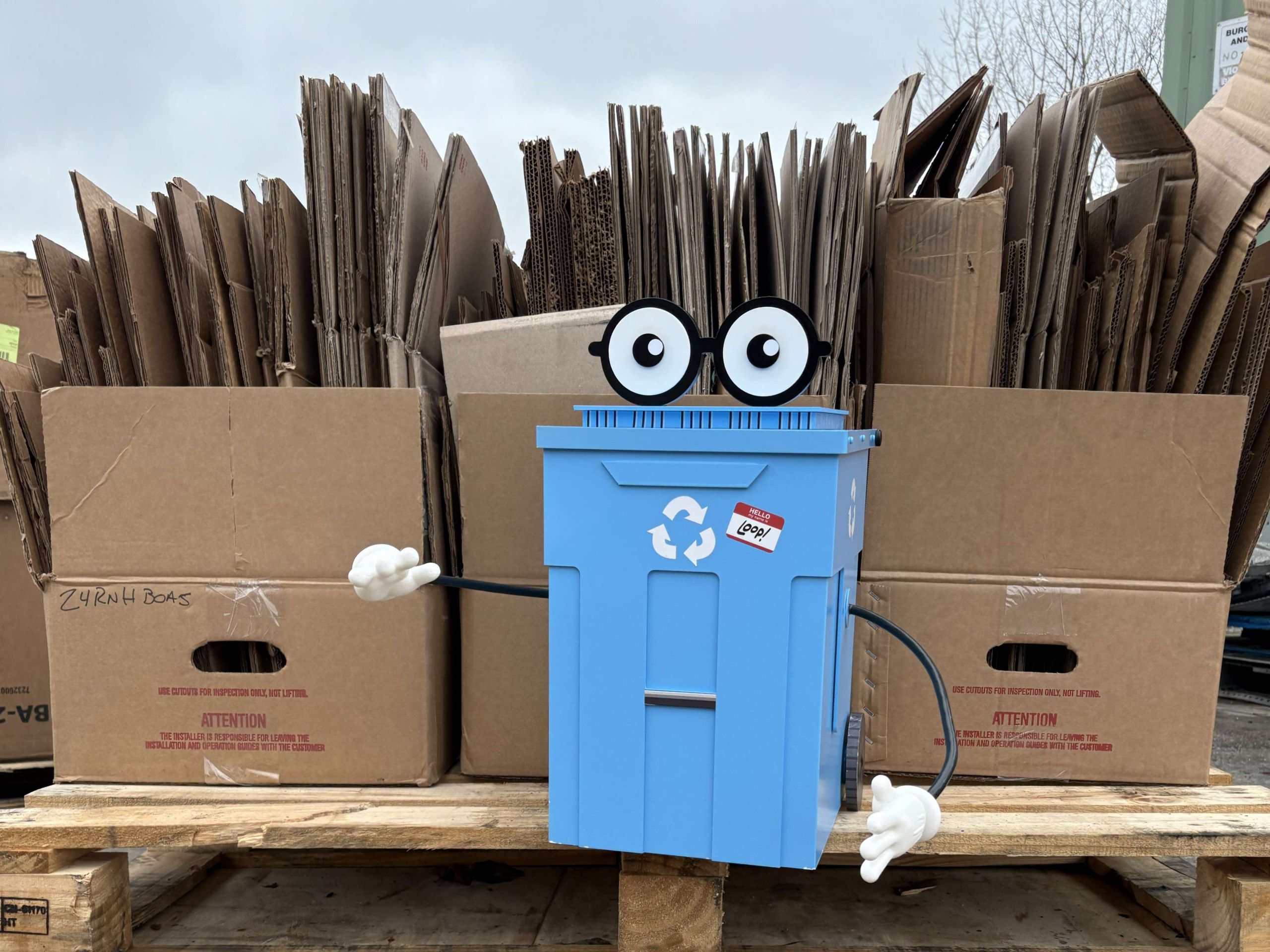
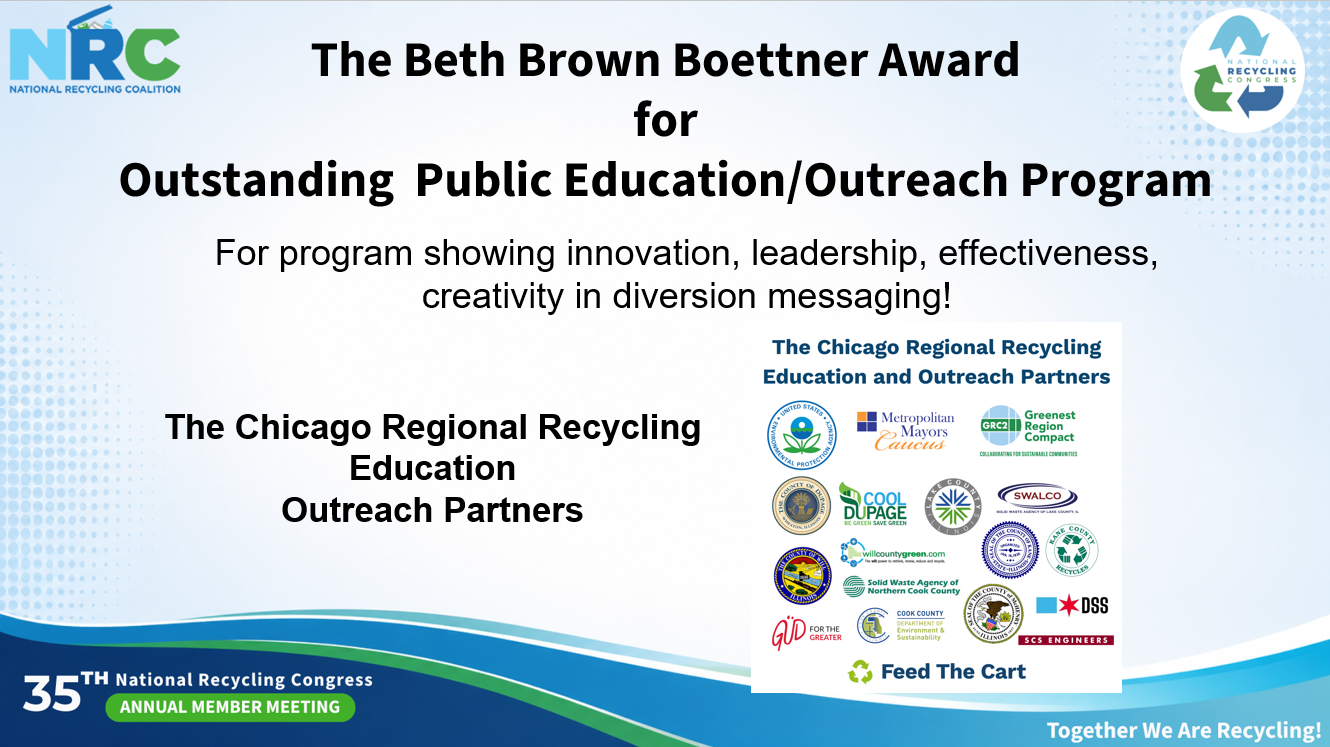
The MMC commissioned the study as part of "Feed the Cart" – the largest recycling education and improvement campaign in Illinois' history that launched last October and is funded with a $2 million grant from the U.S. Environmental Protection Agency (EPA). The campaign's aim is to increase recycling tonnage across the Chicago metro region by 15% by 2030.
"Every bottle, box, and can we recycle brings us one step closer to a sustainable Chicagoland where both the environment and our communities thrive," said MMC Director of Environmental Initiatives Edith Makra.
"This analysis from our 'Feed the Cart' campaign will remind everyone how simple and important it is to recycle properly," Makra said. "By increasing our recycling tonnage, we not only conserve natural resources but also generate significant economic benefits, supporting thousands of jobs and injecting billions of dollars into our economy."
The total amount of regional recyclable materials collected in the MMC Region was nearly 500,000 tons, which is the equivalent of filling Soldier Field with recyclables an estimated nearly 6 times, or the Chicagoland Speedway in Joliet full of recyclables to a height of nearly 50 feet.
The Feed the Cart recycling campaign in Illinois covers six of the state's most populous counties: Cook (including Chicago) (5 million people), DuPage (900,000), Kane (500,000), Lake (700,000), McHenry (300,000) and Will counties (700,000).
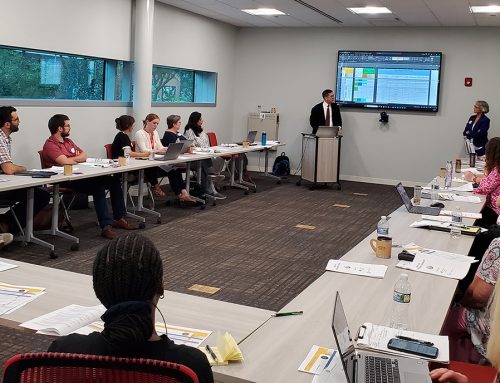
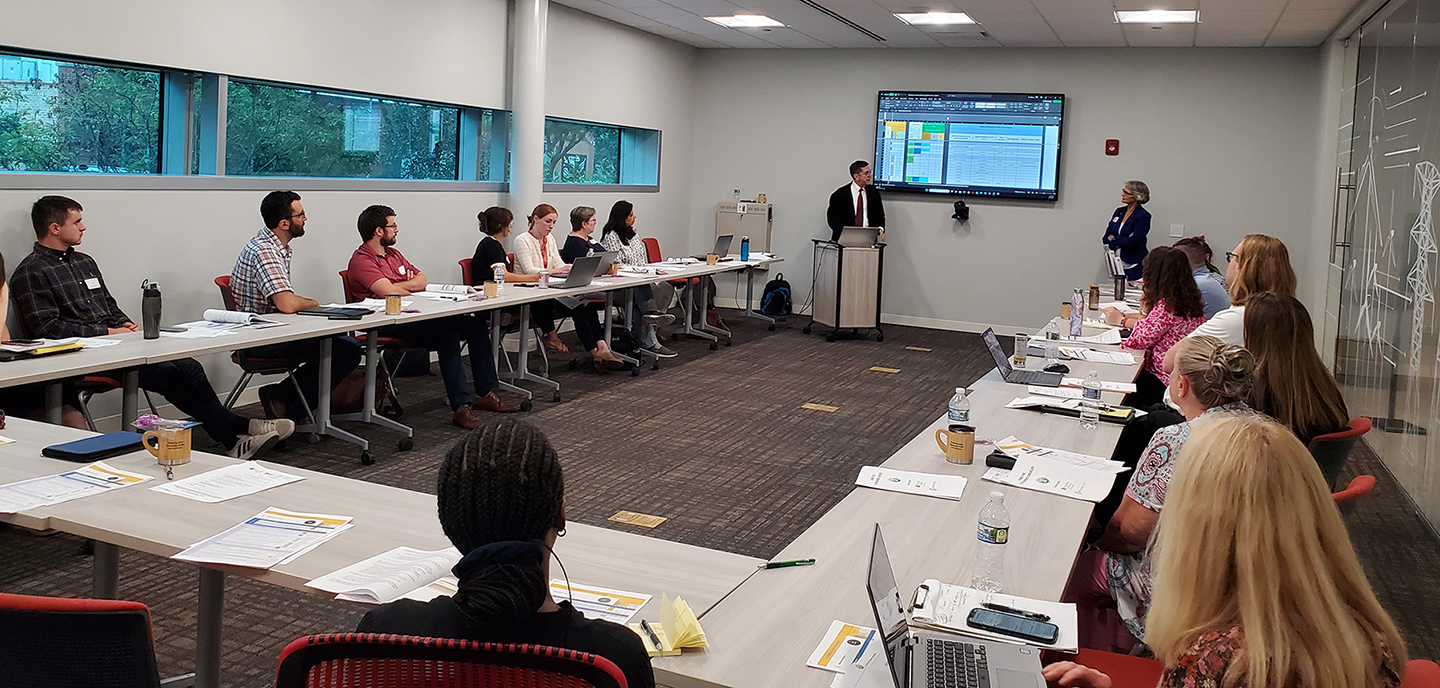
The pre-campaign data collection and summary was conducted by environmental engineering and consulting firm SCS Engineers in Naperville. SCS compiled residential waste and recycling metrics from 2024 (most recent data available) from nearly all the 275 municipalities represented by the Metropolitan Mayors Caucus to generate regional and average recycling rates and tonnage.
It's the first time such an analysis of recycling quantities has been conducted in this six-county region of Metro Chicago. In collaboration with municipalities and waste haulers, MMC has successfully collected and organized this data to provide vital insights on the current state of recycling in the region. This data serves as the starting point that "Feed the Cart" continues to build on to help increase recycling.
Research from the Feed the Cart analysis of Chicagoland data shows:
- The total tonnage of recyclables collected in Chicagoland equals 497,444 tons.
- The six-county MMC region recycled 452 pounds per single-family household in 2024.
- The Top 5 most frequently identified contaminants that should not go into recycling bins are:
-
- Lithium Batteries
-
- Plastic bags
-
- Flammable containers (such as aerosol cans that are not fully empty of products like spray paint, hair spray, WD-40 or bug spray, for example, or plastic tubes and containers from heavy-duty glues and epoxy)
-
- Medical waste
-
- Clothing and wire clothes hangers because they tangle recycling machinery
-
- Food/liquid waste
For details on how to properly dispose of these contaminants, visit FeedTheCart.org.
"Chicagoland's commitment to recycling is shaping a cleaner, more resilient future," Makra said.
"We know Chicagoland residents want to recycle the right way, and through our 'Feed the Cart' campaign and recycling infrastructure investments, we are providing them with the knowledge and tools to do just that."
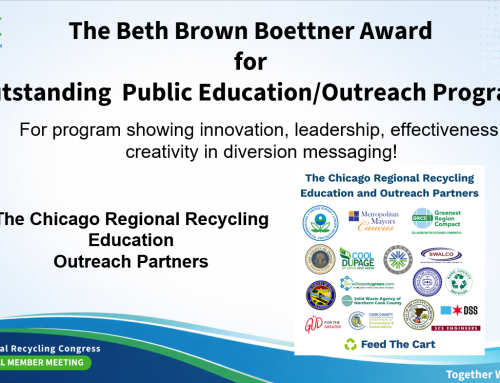
The MMC and its Chicago Metro Recycling Education and Outreach (REO) campaign partners, including the Solid Waste Agency of Northern Cook County (SWANCC) and the Solid Waste Agency of Lake County (SWALCO) as well as DuPage, Kane, McHenry, and Will counties, were awarded a $2 million grant from the EPA in 2024 to promote recycling education and outreach — the largest allocation of its kind to Illinois in more than three decades.
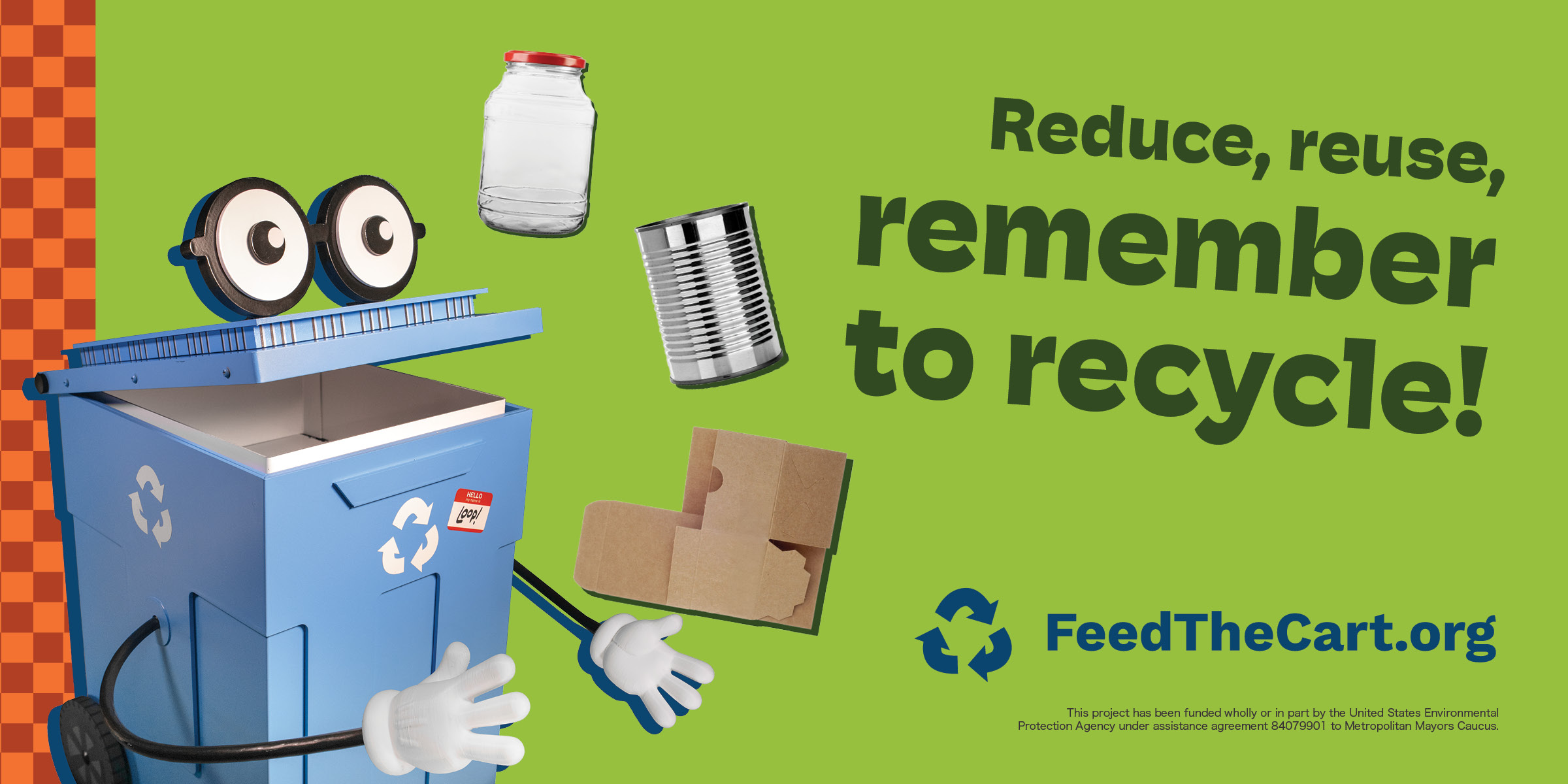
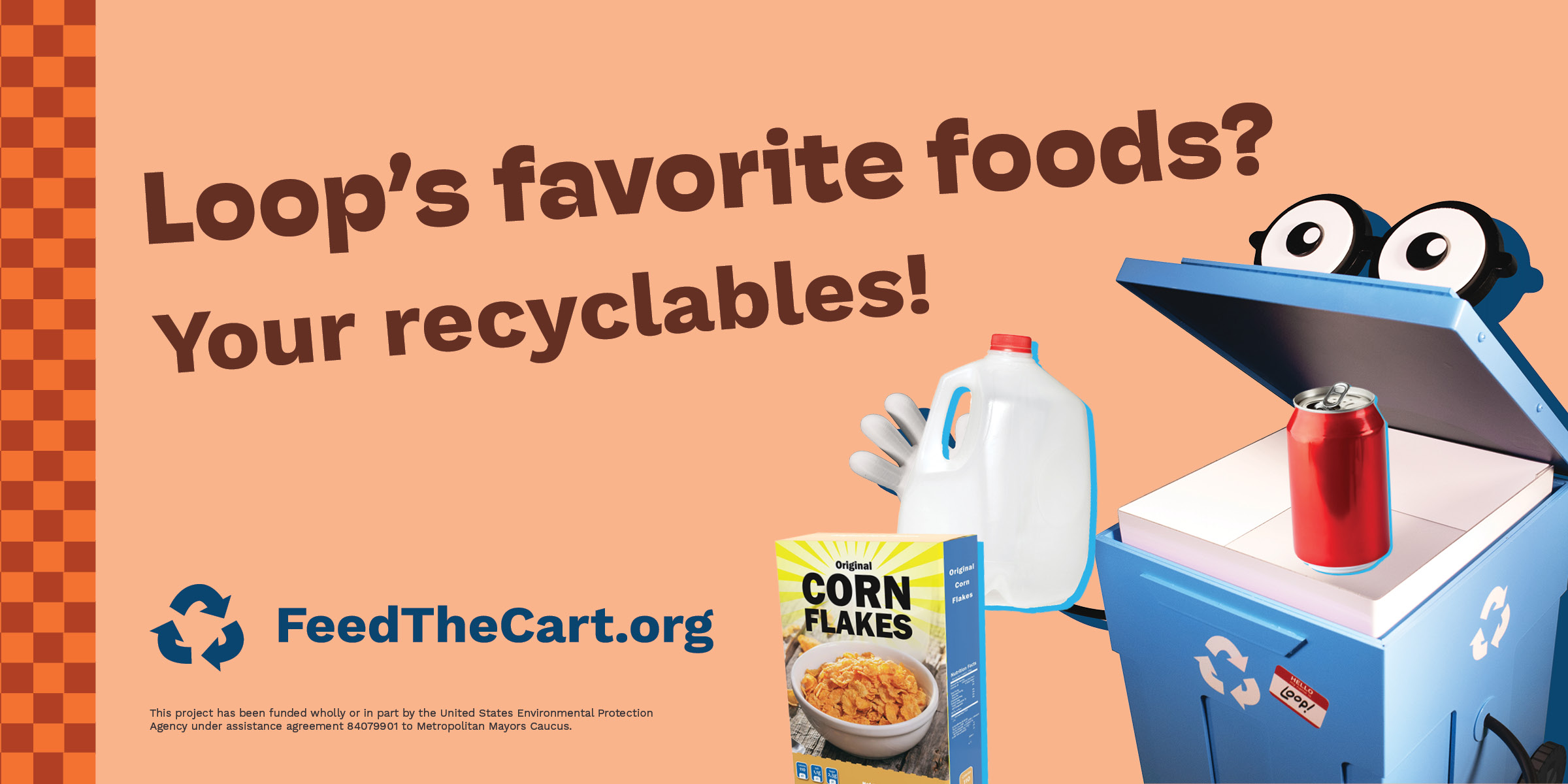
Education tactics for the "Feed the Cart" campaign include marketing, a new website —FeedTheCart.org — and social media presence, advertising, public relations, and grassroots, community-level outreach.
Key Facts to Know From Chicagoland's High-Performing Recycling Communities:
Northern Cook County (SWANCC) Communities:
- Evanston – 29.7% recycling rate, with approximately 5,500 tons of recyclables in 2024 and 756 pounds per household recycled
- Glenview – 27.5% recycling rate, with approximately 4,500 tons of recyclables in 2024 and 773 pounds per household recycled
Southern Cook County Communities:
- Phoenix, Posen, and Dixmoor rolled out new curbside recycling programs in 2025
SWALCO Communities:
- Lake Forest – 26.5% recycling rate, with approximately 2,600 tons of recyclables in 2024 and 806 pounds per household recycled
- Lake Barrington – 25.0% recycling rate, with approximately 800 tons of recyclables in 2024 and 759 pounds per household recycled
McHenry County Communities:
- City of McHenry – 27.8% recycling rate, with approximately 2,800 tons of recyclables in 2024 and 500 pounds per household recycled
- Village of Hebron – 27.5% recycling rate, with approximately 160 tons of recyclables in 2024 and 643 pounds per household recycled
Kane County Communities:
- North Aurora: 29.1% recycling rate, with approximately 1,800 tons of recyclables in 2024 and 546 pounds per household recycled
- St. Charles: 29.9% recycling rate, with approximately 3,600 tons of recyclables in 2024 and 735 pounds per household recycled
DuPage County Communities:
- Lisle – 33.1% recycling rate, with approximately 1,900 tons of recyclables in 2024 and 700 pounds per household recycled
- West Chicago – 29.7% recycling rate, with approximately 2,400 tons of recyclables in 2024 and 891 pounds per household recycled
Will County Communities:
- Bolingbrook – 27.3% recycling rate, with approximately 7,700 tons of recyclables in 2024 and 664 pounds recycled per household
- Joliet – 28.1% recycling rate, with approximately 14,800 tons of recyclables in 2024 and 630 pounds per household recycled
The recycling rate methodology used for this analysis is defined as the percentage of waste generated that is collected for recycling, not including yard waste. The weight of recyclables and waste used to calculate this number for each municipality is measured by the waste haulers and generously provided for this assessment.
The pounds per single-family household methodology is based on measurements of the weight of recyclables and is derived from data provided by waste haulers to municipalities within the MMC region. Municipalities generously provided the number of single-family households in their community for the SCS Engineers' analysis.