
Community Land Trust
Community Partners for Affordable Housing
Lake County and Northern Cook County
The Community Land Trust program preserves long-term housing affordability by retaining ownership of the land while selling homes at below-market value to income-qualified homebuyers. A resale formula ensures that homes remain affordable to future homebuyers.
Background
Community Partners for Affordable Housing (CPAH), which started in 2003 as Highland Park’s Community Land Trust before expanding its structure and geography in 2008 to serve Lake County and northern Cook County, expanded once again in 2019, merging with two other highly regarded organizations to promote greater efficiencies, sustainability, and impact. In addition to its Community Land Trust (CLT) work, CPAH is now a HUD-certified nonprofit organization that develops affordable housing and provides housing counseling and other services that empower individuals and families to secure and retain quality housing. It has merged with what were once the Affordable Housing Corporation of Lake County (AHC) and Lake County Residential Development Corporation (LCRDC).
How It Works
Using the Community Land Trust model, CPAH acquires existing properties (primarily foreclosed and/or blighted properties), conducts a thorough environmentally sustainable rehabilitation, and then sells the homes to income-qualified buyers at an affordable price. CPAH also builds new housing for the CLT program. CPAH retains ownership of the underlying land and leases the land to the homebuyer for a nominal fee ($25 per month) via a 99-year, renewable ground lease. The purchase price for the homebuyer is typically 40 to 65 percent below the market value because, in essence, the homebuyer needs only to buy the home, not the land. If the homebuyer later wants to sell their home, it is sold to another income-qualified buyer or back to CPAH at a formula price designed to give the homeowner a fair share of appreciation, while still keeping the home affordable for the next buyer. The resale restrictions maximize the cost-effectiveness of public and private investment because the homes are not only affordable to the first buyer but will remain affordable for succeeding generations of homebuyers while still providing wealth-building opportunities for low- and moderate-income households who otherwise would be pushed out of homeownership.
The CLT program benefits the community by:
- Providing housing opportunities for low-income households in traditionally non-low-income communities.
- Promoting cultural and economic diversity.
- Creating valuable workforce housing near jobs and transit.
- Preserving the community’s existing housing stock and neighborhood character.
- Developing an inventory of permanently affordable and environmentally sustainable housing for future generations.
- Rehabilitating problem or blighted properties.
- Promoting live-near-work housing, which helps alleviate traffic congestion and the environmental impacts associated with long commutes.
- Helping communities comply with the Illinois Affordable Housing Planning And Appeal Act.
- Helping reduce impediments to fair housing.
- Maximizing the cost-effectiveness of public and private investment for long-term community benefit.
Goal
Supporting higher cost communities in their efforts to provide affordable housing options for current and future residents.
Target
Low- and moderate-income households.
Financing
Start-up costs for the community land trust were funded with resources from the Highland Park Affordable Housing Trust Fund. The trust fund and land trust were created together to provide financial support for affordable housing activities that address the needs of low-and-moderate income individuals and families. As a private organization, CPAH now raises its own funds, as well as receives funding from the trust fund by application. CPAH receives funding from the U.S. Department of Housing and Urban Development, Lake County, the Federal Home Loan Bank, Illinois Housing Development Authority, private donations, individuals, banks, foundations and earned revenue. CPAH layers financing for its CLT program. The total subsidy needed is estimated to be approximately $250,000 per single family home, including acquisition, rehabilitation and soft costs such as insurance, utilities, and legal fees.
Success
In addition to expanding its footprint throughout Lake County and northern Cook County, CPAH has created more than 100 CLT homes that will remain permanently affordable to address communities’ current and future affordable housing needs.
Lessons Learned
With the right expertise at the helm, Community Land Trusts are a highly effective tool that supplement broader efforts to provide affordable homeownership and rental housing in neighborhoods that are typically out of reach to households with limited incomes. The model is unique in its ability to provide affordability “in perpetuity,” as well as local control.
Resale Formula
Initial purchase
Initial appraised value: $300,000.
Minus purchase price reduction: $120,000.
Equals home buyer’s purchase price: $180,000.
Resale (10 years later)
Step 1: Calculating the homeowner’s share of market value appreciation.
Current appraised value: $350,000.
Minus initial appraised value: $300,000.
Equals market value appreciation: $50,000.
Multiplied by Homeowner’s Investment Ratio: 60%. [1]
($50,000 × .60) = $30,000. This is the share of appreciation attributable to the owner’s investment.
Multiplied by shared appreciation factor: 15%. [2]
($30,000 × .15) = $4,500. This is the owner’s share of market value appreciation.
Step 2: Applying the homeowner’s share of market value appreciation.
Homeowner’s purchase price: $180,000.
Plus homeowner’s share of market value appreciation: $4,500.
Plus improvements credit, if any: $3,600. [3]
Equals the resale formula price: $188,100. [4]
Upon sale 10 years later, the homeowner walks away with approximately $40,000 of equity from paying down the mortgage and $8,100 in equity from the homeowner’s share of market value appreciation and improvement credits.
[1] Homeowner’s investment ratio is the purchase price ($180,000) divided by the initial appraised value ($300,000).
[2] The shared appreciation factor is established to ensure a fair return to the owner and enable CPAH to meet the permanent affordability goals for the community. CPAH researched other comparable program’s formulas and calculated potential resales in Highland Park to determine an appropriate percentage.
[3] Calculation of structural and mechanical improvements credit: Assume that homeowner added a new roof in year four of ownership at an approved cost of $6,000. At 15-year straight line depreciation (subtract $400 each year), the value of the credit after year 10 is $3,600.
[4] The resale purchase price is the lesser of the formula price and the current appraised value.
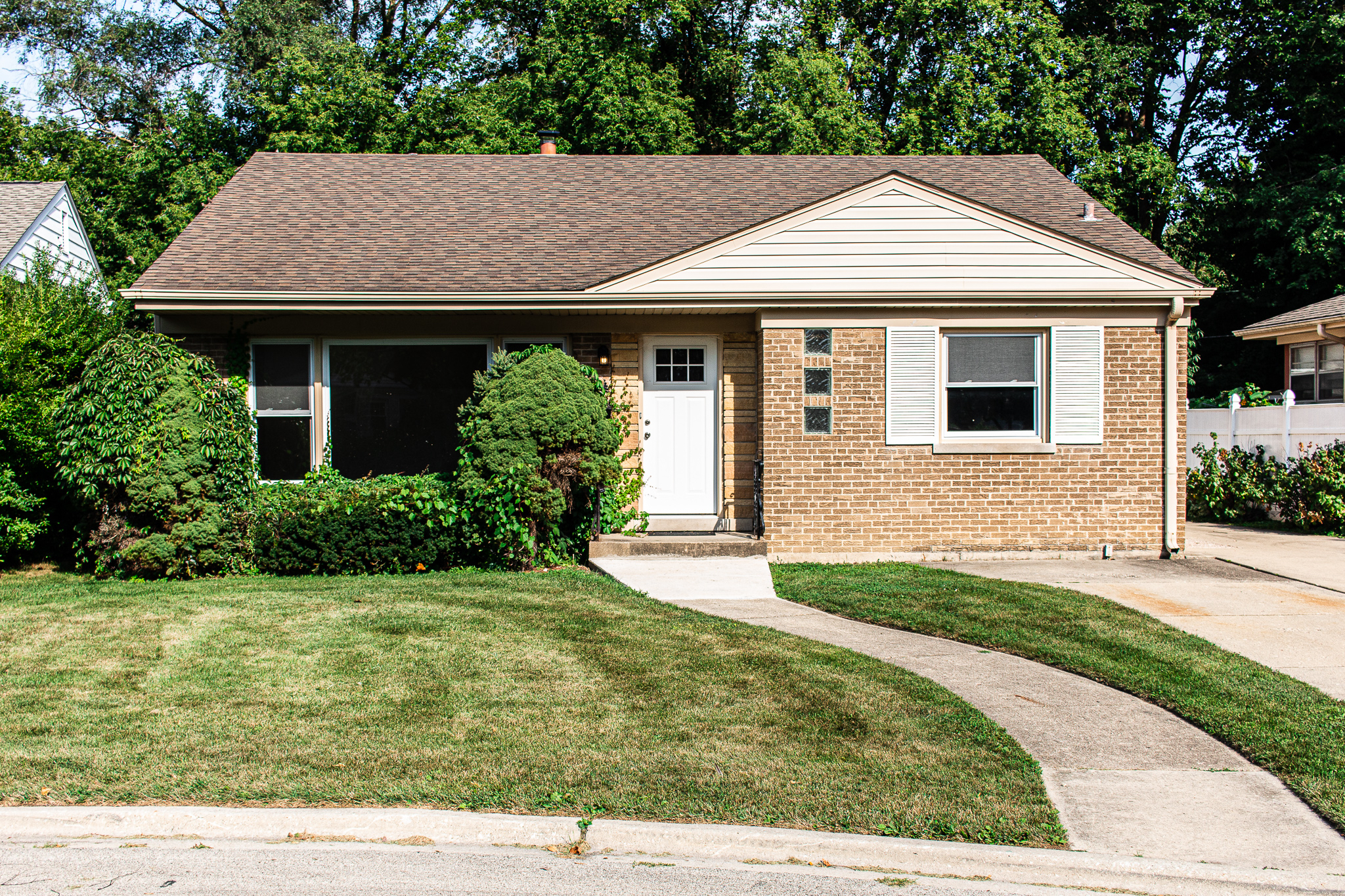
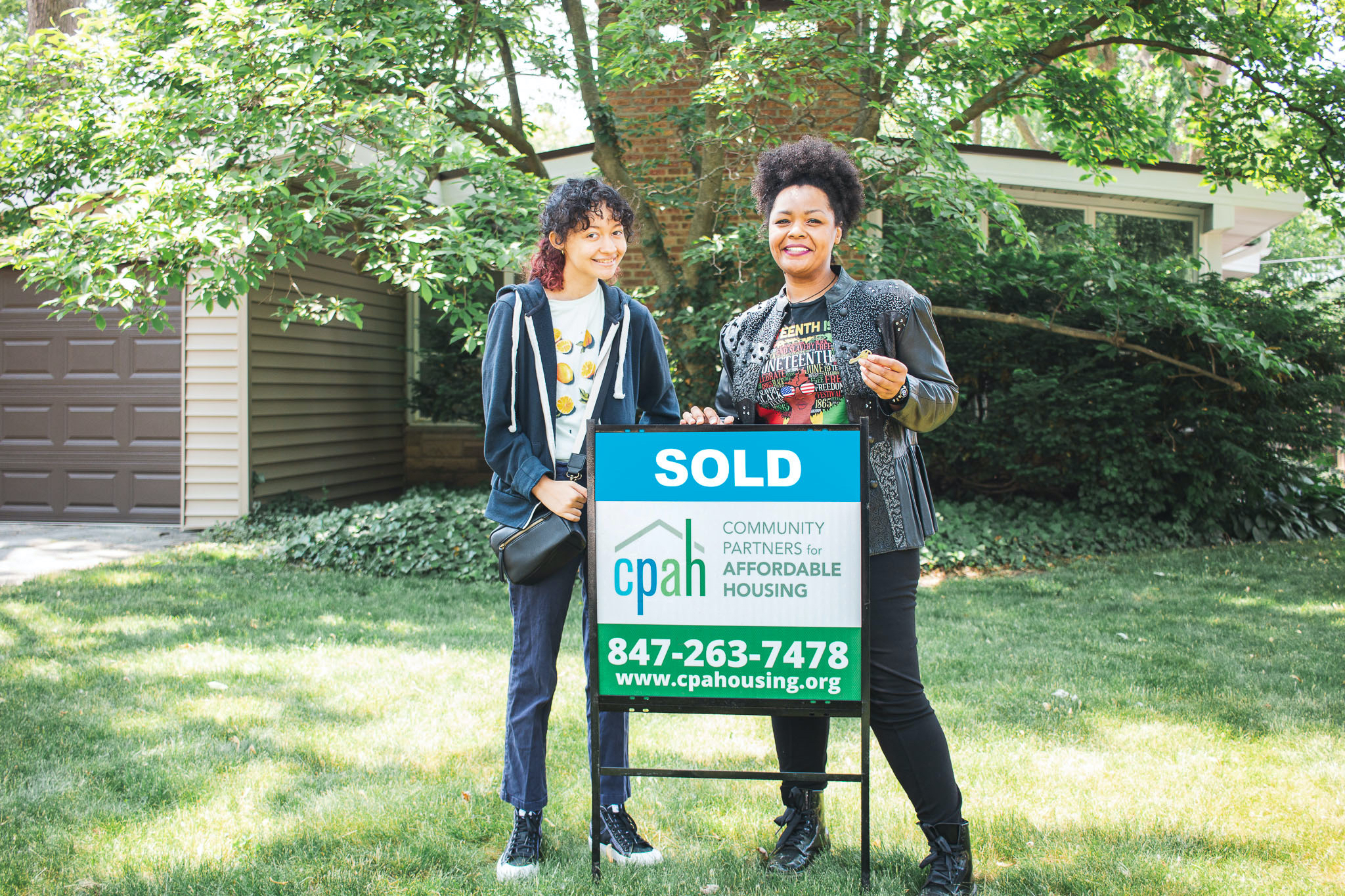
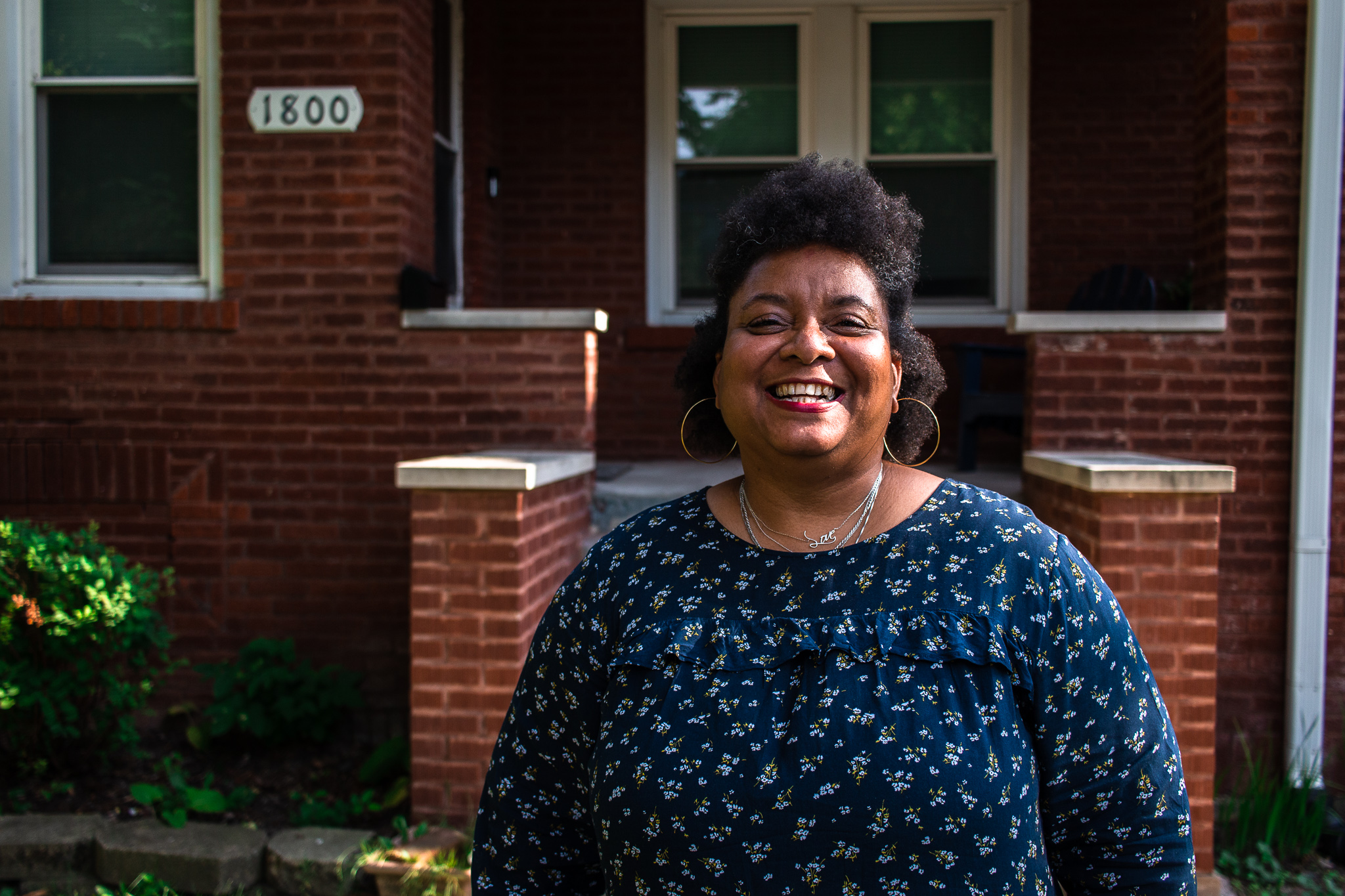
Photos provided by Community Partners for Affordable Housing.
Contact Information
Community Partners for Affordable Housing, www.cpahousing.org
This case study was last updated in February 2026.
See More Case Studies
Homegrown is a collection of housing best practices implemented by local governments across the seven-county Chicago region. Each case study covers a housing policy, development, or program; how it works; why it was successful; and how it was funded. To see the full collection of case studies, click on the Homegrown logo.