
South Suburban Scattered Site Initiative
South Subrubs
Cook and Will County
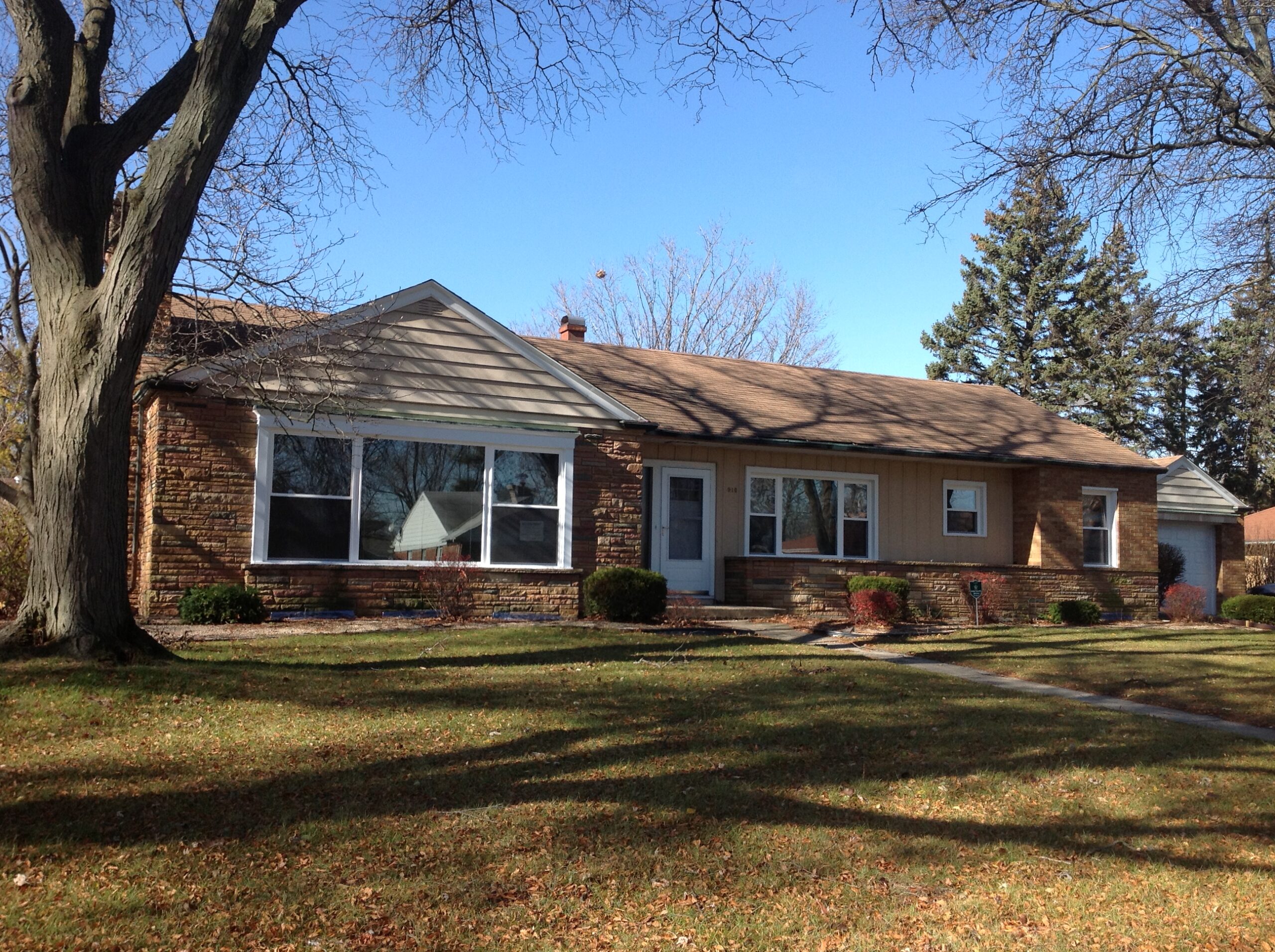
Photo courtesy of the Hispanic Housing Development Corporation
The Development
As Chicago’s South Suburbs experienced some of Cook County’s highest concentrations of owner-occupied homes lost to tax foreclosures in the wake of the 2008 financial crisis, reintegrating the scores of vacated properties to the tax rolls in the subsequent years was a clear necessity for the area’s well-being. Chicago Heights prioritized this initiative by enlisting Hispanic Housing Development Corporation (HHDC) as the lead partner to acquire a large portfolio of foreclosed single-family homes in targeted areas of Chicago Heights, Homewood, and Glenwood with the intention of rehabilitating the properties and reintroducing them to the rental market while offering right of first refusal to foreclosed upon occupants when applicable.
HHDC then tapped the Spanish Coalition for Housing to provide housing counseling and financial literacy to the new tenants and to help pioneer an innovative scattered-site single-family rental model in this effort. Another key component of this work was HHDC’s decision to secure inventory through the National Community Stabilization Trust (NCST), which helped financial institutions move foreclosed properties into the hands of high-capacity nonprofits. NCST also provided early financing and technical assistance to HHDC. Lastly, HHDC worked closely with the South Suburban Mayors and Managers Association (SSMMA), participating in SSMA’s broader housing efforts and utilizing its robust housing “toolbox”.
The initiative was a great success and, given the untested grounds of a scattered-site rental program of such a large scope and nature, proved both the feasibility and replicability of such a model. HHDC was able to exceed all established outcome objectives, acquiring and stabilizing 41 vacant and foreclosed homes (42 units), returning these defunct properties to the tax rolls and providing new affordable rental housing for 42 households.
After all properties were acquired and rehabbed and after several years of managing their leasing, it was determined by HHDC that it was most economical to return the properties to individual ownership; and began selling them in 2024. All tenants were notified that the homes would soon be listed for sale but that they were given right of first refusal to purchase the home and were offered resources from The Spanish Coalition Homeowners & Homebuyers workshop with prepurchase and financial counseling for first time buyers. While 13 of the tenants declined to purchase the home, 28 of the existing renters ultimately purchased the home that they had been renting. Within roughly a year, all but one of the properties was sold, and where two decades ago these 41 properties were stripped from Chicago Heights homeowners, they’re now returned.
Goal
To acquire, renovate, and stabilize 40 single-family homes in targeted neighborhoods within Chicago Heights, Glenwood, and Homewood– areas with a significant number of vacant and abandoned properties due to the foreclosure crisis.
Target
While it was initially envisioned that the rehabilitated homes would be leased to the existing foreclosed upon occupants, it turned out that HHDC acquired exclusively vacant properties and leased the rehabbed product to households earning up to 80% of the Area Median income (AMI); including many households that formerly were homeowners but lost their homes as a result of the foreclosure crisis.
Financing
With a total project budget of $6 million, HHDC’s financing was anchored by its $3 million award from the Attorney General National Foreclosure Settlement (NFS), allocated in 2014. This funding was then leveraged to secure private financing from First American Bank, which provided a $3 million loan to finance redevelopment activities. After this loan was fully repaid in January 2018, it was replaced with a $3.5 million term note. To secure this new loan, First American worked with HHDC to tailor a master mortgage collateralized by the properties in the portfolio. HHDC was also awarded $500,000 as part of NeighborWorks America’s Project Reinvest, which allowed for exterior improvements to be made to thirty of the scattered-site homes.
Success
The scattered site initiative exceeded all its outcome objectives, acquiring 41 total vacant and foreclosed properties, rehabilitating them, and returning them to productive use. Additionally, after making the rehabbed homes available as affordable rentals for several years, HHDC has since sold all but one of the properties to individual owner-occupants (after giving right of first refusal to existing tenants); 28 of which were ultimately sold to the existing tenant. The initiative was seen by Chicago Heights as such a success that the city contracted HHDC to implement the same model on 20 more properties.
Lessons Learned
Perhaps the most significant takeaway from HHDC’s efforts in Chicago Heights is that large-scale, scattered-site rehabilitation of single-family homes in areas with high concentrations of vacant and/or compromised properties is not only financially sustainable but also efficient and replicable. With professional property management and mission-oriented construction, this initiative has demonstrated that similar initiatives can stabilize and increase property values, help revitalize entire neighborhoods, and serve as a model strategy for communities facing similar challenges.
The flexibility to pursue this model was thanks to the Office of the Attorney General’s National Foreclosure Settlement Grant, addressing a critical funding gap while allowing local partners to address local needs in a variety of ways
Contact Information
Hispanic Housing Development Corporation, www.hispanichousingdevelopment.com
This case study was last updated in February 2026.
See More Case Studies
Home Grown is a collection of housing best practices implemented by local governments across the seven-county Chicago region. Each case study covers a housing policy, development, or program; how it works; why it was successful; and how it was funded. To see the full collection of case studies, click on the Home Grown logo.